
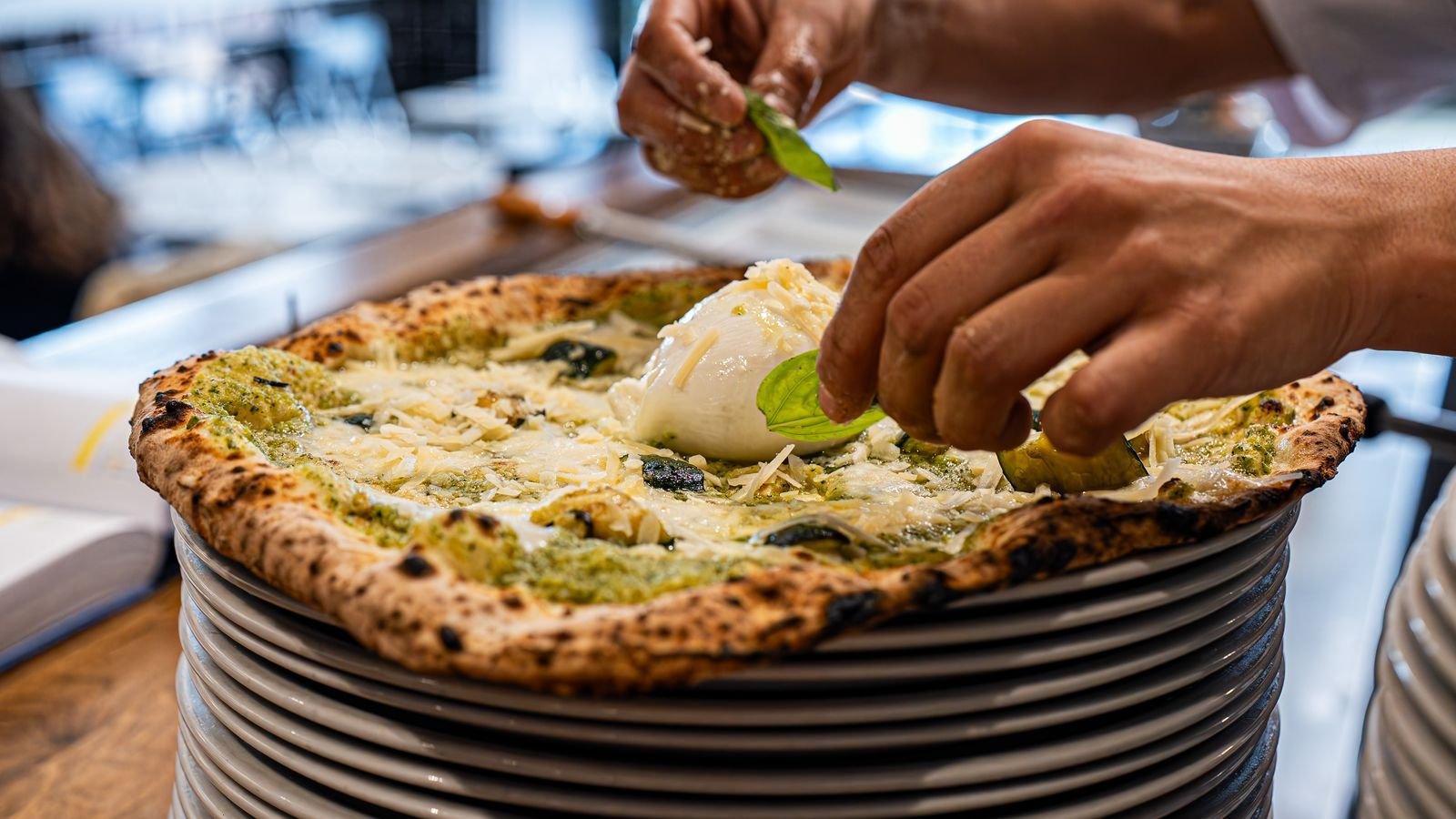
In short: A restaurant's content strategy isn't about posting more: it's about having something to say every week without anyone having to make it up. The things worth telling always come from four places (the product, the season, the team and the neighbourhood), get filmed in one go during a real service and are shared out between Instagram, the Google listing and the monthly message to customers. At a restaurant we run, out of 40 reels over six months, the ones that did best showed the place and ran between 12 and 22 seconds; the ones over a minute weren't watched to the end by even 10%. And it's measured in saves and messages, not reach.
Every restaurant hits the same moment, around month three on Instagram: it has shown the whole menu, dish by dish, and doesn't know what else to post. Then come the quotes on a beige background, the 'happy Friday' and the giveaway. It isn't a lack of ideas: it's that nobody has told them where ideas come from in a restaurant, which is a place where new things happen every day and almost none of them get filmed. That's what this is about: what to say once you've shown the menu, and how to do it without it costing you an afternoon a week you don't have.
Content isn't 'posting more': it's having something to say every week
A restaurant content strategy is the list of things you're going to tell, where they come from and where they get published, decided before the week starts and not on Tuesday at eleven at night with your phone in bed. The opposite, which is the norm, is called 'posting something', and it produces feeds of identical dish photos that no customer looks at twice.
You can tell the difference by the question you ask yourself. 'What do I post today?' has no good answer. 'What happened at the restaurant this week that someone hungry would want to know?' always does: the first artichokes have come in, the new cook makes the dough by hand, the terrace has heaters now, on Tuesday there's a rice that isn't on the menu. That's restaurant content. The rest is filler, and you can spot filler from the moon. Where all this sits in the bigger picture, behind the Google listing and the ads, is in our guide to restaurant marketing.
The 4 sources of restaurant content: product, season, team, neighbourhood
When a restaurant tells us it has nothing to say, we draw up the same four-column list. It never comes back empty.
| Source | What's there | How to tell it | How often |
|---|---|---|---|
| Product | The most-ordered dish, the one that's only on one day, where the produce comes from, how it's made | The dish leaving the pass, the hands plating it, the supplier unloading | One piece a week |
| Season | What's coming in and what's going out: wild mushrooms, calçots, artichokes, the terrace, the festivals | A dated story the day it changes; a post if it lasts more than a week | When it happens, and it happens every two or three weeks |
| Team | Who cooks, who serves, who's been behind the bar for twenty years | Photo carousel or unscripted reel, doing their job, not looking at the camera | One piece every two weeks |
| Neighbourhood | The street, the market, the regular who comes every Thursday, the local festival, the conference that fills the hotels | A full dining room on a Thursday, the lunchtime queue, the sign on the door | One piece every two weeks |
Those four columns give you the two posts a week and the near-daily stories we propose in Instagram for restaurants, with plenty to spare. What never goes on the list: quotes, memes, discounts and the whole menu dish by dish all over again.
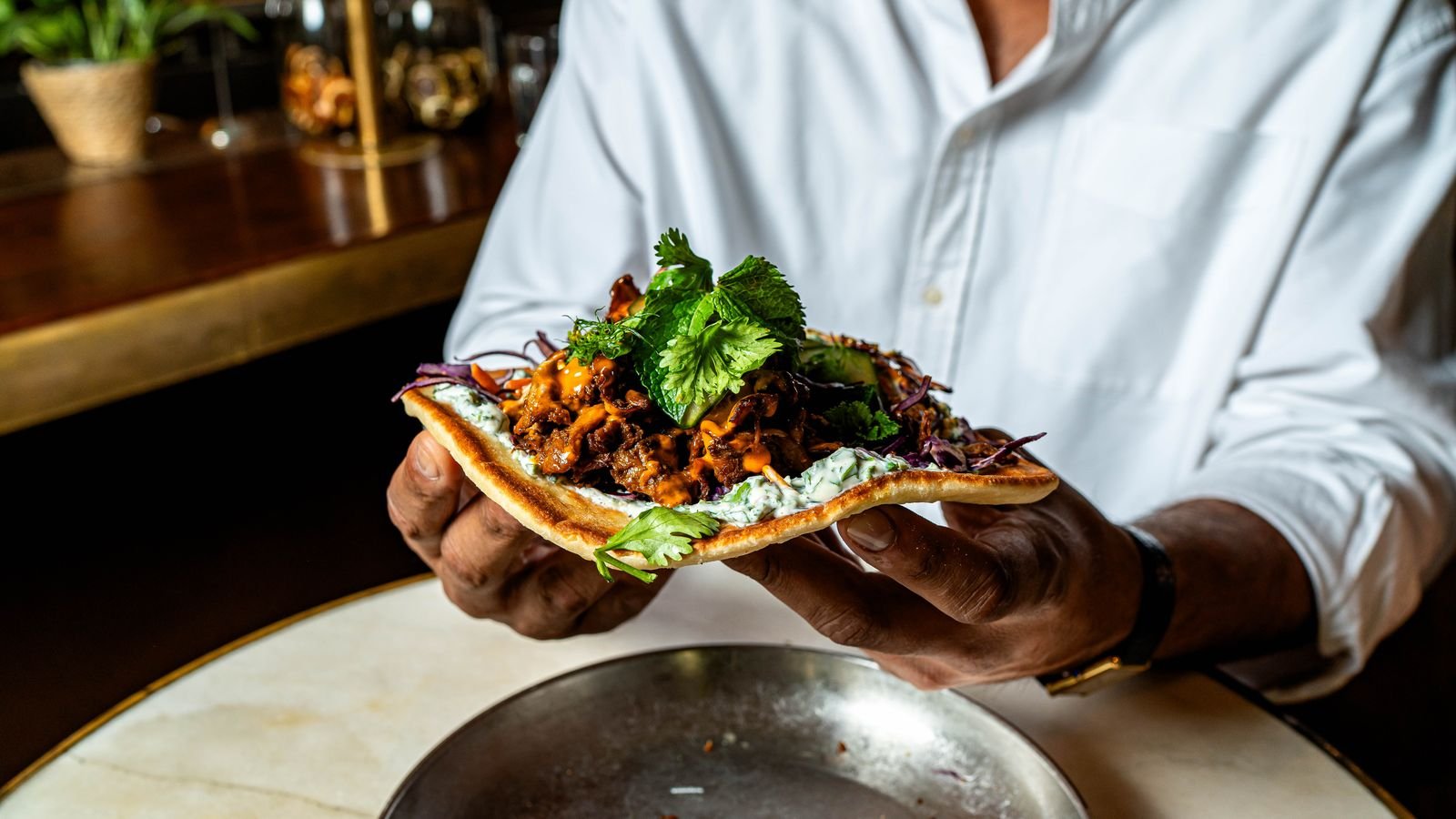
From raw footage to calendar: how a month of content comes out of one morning's filming
The most expensive mistake is filming each post separately: one afternoon for the reel, another for the photos, another for the story. There's no need. A month of content comes out of one session during a real service, and this is how we do it:
- Before you go, the list. The four columns above filled in with that month's material: the new dish, what's coming into season, who's in the kitchen, what's going on in the neighbourhood. Ten lines, not a script.
- During service, not before. You film with people in the dining room, the grill going and the real noise. An empty dining room at eleven in the morning with the lights off isn't your restaurant; it's a warehouse with tables.
- Long raw footage, short pieces. For each scene you film one or two minutes straight, then cut to the strong moments: the dish coming out, the flame, the laugh. The best-performing reels of the 40 we analysed ran between 12 and 22 seconds.
- Photos of the same scenes. Whatever gets filmed also gets photographed, portrait and landscape, because photos go to different places than video (the Google listing, the website, the message to customers).
- Back at the desk, the calendar. That one morning produces the month's eight posts and the stories for the following weeks, scheduled with a tool (we use Metricool) so the calendar actually exists and doesn't depend on someone remembering on Tuesday.
How to film so it doesn't look like an advert, with the five pieces every restaurant reel needs, is in social media for restaurants. And if what you want is for someone to do it for you (list, filming, calendar, publishing and replies), that's our social media management for restaurants.
Reuse: reel → photo → Google listing → newsletter
A piece of content that only gets published on Instagram is poorly amortised. The same scene of the dish leaving the pass works, in this order:
- Reel on Instagram and Facebook, the same one from the same tool, no extra work.
- Photo on the Google listing, which is where people actually look: across our accounts, 87% of the actions that come out of an ad are directions requests, and they land on the listing. A weekly post on the listing with the photo and two lines (the dish, the day) keeps it alive, and Google reads it.
- The same photo on the website, in the text menu, next to the dish, instead of the stock image.
- The monthly message to your customer list, by email or WhatsApp, with that photo and one line: the wild mushrooms are in, there's rice on Tuesday. It's the cheapest channel per table there is; how to set it up is in email marketing for restaurants.
- The ad. When a reel works on its own, it gets used as an ad targeted within two kilometres of the restaurant. At the restaurant with the 40 reels, the ones that did best as posts were also the best as ads: they were the ones that showed the place, not the dish montages.
The material comes from one proper session a month, on top of the phone day to day: food photography done once and used everywhere. What's made for a single network pays back badly; what's made for five places pays back well.
What to measure: saves and messages, not reach
Reach is the number Instagram shows you first because it's the one that climbs fastest. It tells you nothing: ten thousand people who swiped past without stopping aren't a table. What does tell you something, in order of usefulness:
- Saves and shares. Someone who saves a reel or sends it to a friend with a 'shall we go?' is planning to come. It's the closest thing to a booking Instagram gives you.
- Messages and questions. 'Do you have a table on Saturday?', 'is there a gluten-free option?'. Each one is a booking if someone replies before tomorrow. Content that generates questions is content that works.
- Video retention. How many people get to the end. Of the 40 reels, the ones over a minute weren't watched to the end by even 10%; the ones showing a full dining room, by almost everyone.
- And what happens outside Instagram. Directions requests on the Google listing, and the month's bookings against the same month last year. If the content is doing well and that isn't moving, the problem isn't the content.
The durations and the best-performing format come from analysing the 40 reels over six months at a restaurant we run (reach, retention and saves, cross-checked against the performance of the ones used as ads); the 87% directions requests figure comes from 40 restaurants over thirteen weeks in summer 2026. It's our own data, not an industry average.
FAQ
Before you film anything
What does a restaurant post once it has shown the whole menu?
What happens at the restaurant: the produce coming in, what changes with the season, the team at work and the neighbourhood. Those four sources give you two posts a week all year round without repeating the menu.
How much content comes out of one filming session?
From one morning during a real service, with the list done beforehand, you get the month's eight posts and the stories for the following weeks, plus the photos for the Google listing, the website and the message to customers.
How long should a restaurant reel be?
Between 12 and 22 seconds, according to the 40 reels over six months we analysed at a restaurant we run. The ones over a minute weren't watched to the end by even 10% of those who opened them.
How do I know whether my content strategy is working?
By the saves, shares and messages each piece generates, by video retention and, outside Instagram, by directions requests on the Google listing and bookings against the same month the year before. Not reach.