
In short: Nobody opens Instagram to watch adverts, and a restaurant reel that smells of advertising in the first second gets scrolled past: the spinning logo, the stock music, the dish sitting still on a white background and the ‘come and try it!’. What does get watched is what looks like it was filmed by someone from the restaurant: the dish leaving the pass, the hands that make it, the dining room during service, the cook explaining one single thing, and what changes this week. Film it vertically, with the restaurant’s own light and sound, no logo at the start, in fifteen seconds. Post at a steady rhythm that follows the restaurant: menu, season, events and the days you need to fill. Then ignore followers, who don’t eat dinner, and look at saves, shares, messages asking about bookings and which piece coincided with a better week. The reel that brings bookings is almost never the most expensive one.
Social media for restaurants has a fundamental problem: almost everyone uses it to advertise, and nobody, ever, has opened Instagram thinking 'let's see what adverts they've got for me today'. Your reel is competing with a stranger's dog, a three-ingredient recipe and a second cousin's wedding. If it smells of advertising in the first second, the thumb keeps scrolling without the slightest remorse. Let's look at how to avoid that: what to film, how to film it and what to look at afterwards to know whether it did any good.
Why a reel that looks like an advert doesn't work
You recognise an advert before you understand it. The logo spinning in, the stock music, the dish sitting still on a white background and the caption 'Come and try it!' with three little flames. All of that screams at the viewer that someone wants to sell them something, and what people do when they're screamed at is leave.
What does get watched is what looks filmed by someone at the restaurant: the dish coming off the pass, the griddle sizzling, the dining room half full on an ordinary Thursday. It doesn't have to be badly made. It has to look real, which is quite a bit harder.
| Element | Looks like an advert | Looks like the restaurant’s own |
|---|---|---|
| Opening | Logo spinning in | The dish leaving the pass, with the hand that sets it down |
| Image | Dish sitting still on a white background, studio | Hands, the grill, a half-full dining room on a Thursday |
| Sound | Stock music | The grill, the room, the cook’s voice |
| Text | ‘Come and try it!’ with three little flames | One single thing, told by the person who makes it |
| Length | 30 seconds or more | Fifteen, if it gets the point across |
| Framing | Horizontal, catalogue style | Vertical, at a customer’s eye level |
| What you measure afterwards | Views and followers | Saves, shares, messages and that week’s bookings |
What to film: five pieces that do look like the restaurant's own
1. The dish as it comes out
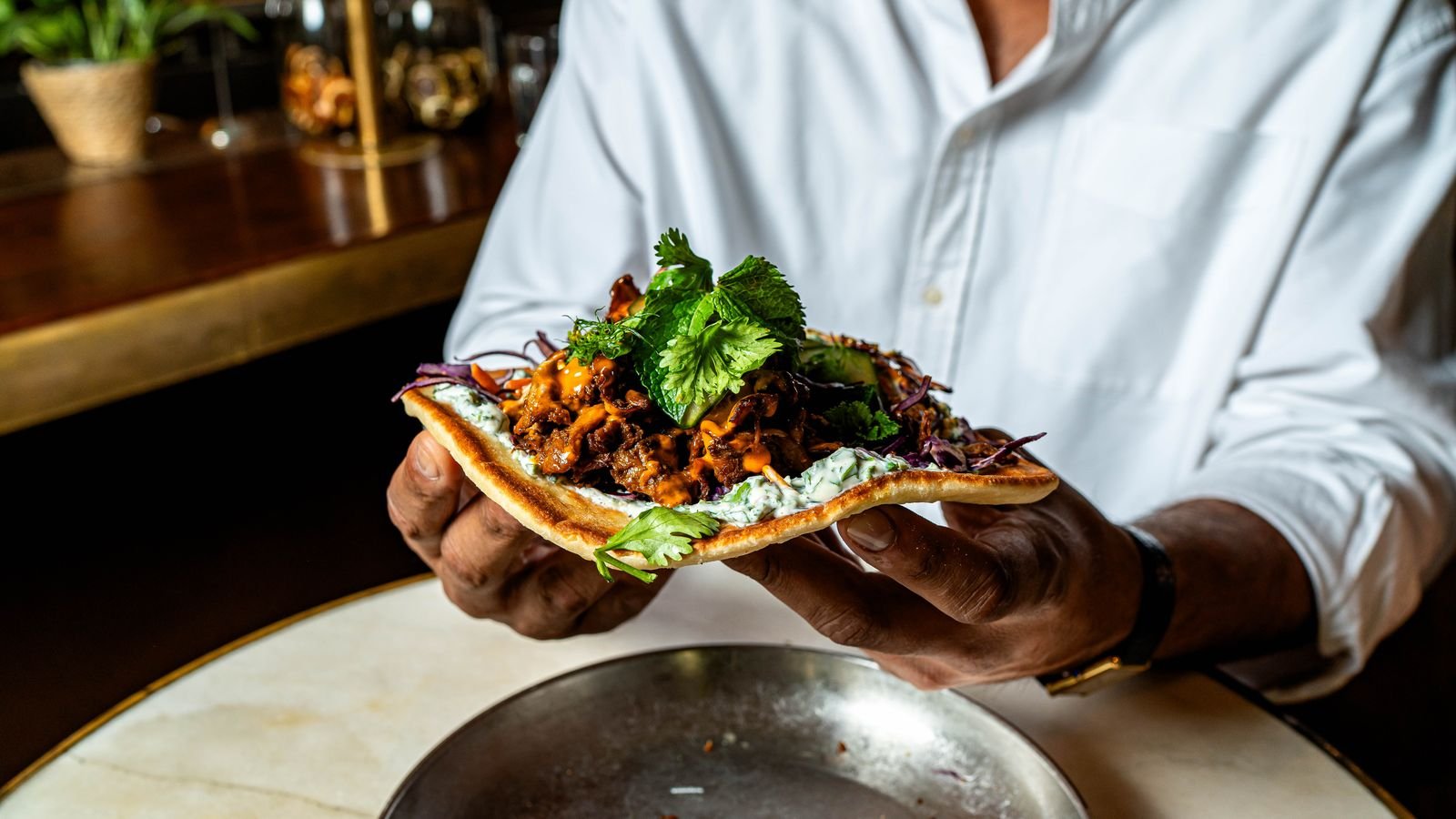
Not the dish posing as if for a class photo: the dish at the moment it comes out, steam and all, with the hand that sets it down on the pass. It's the video version of 'blimey, that looks good'.
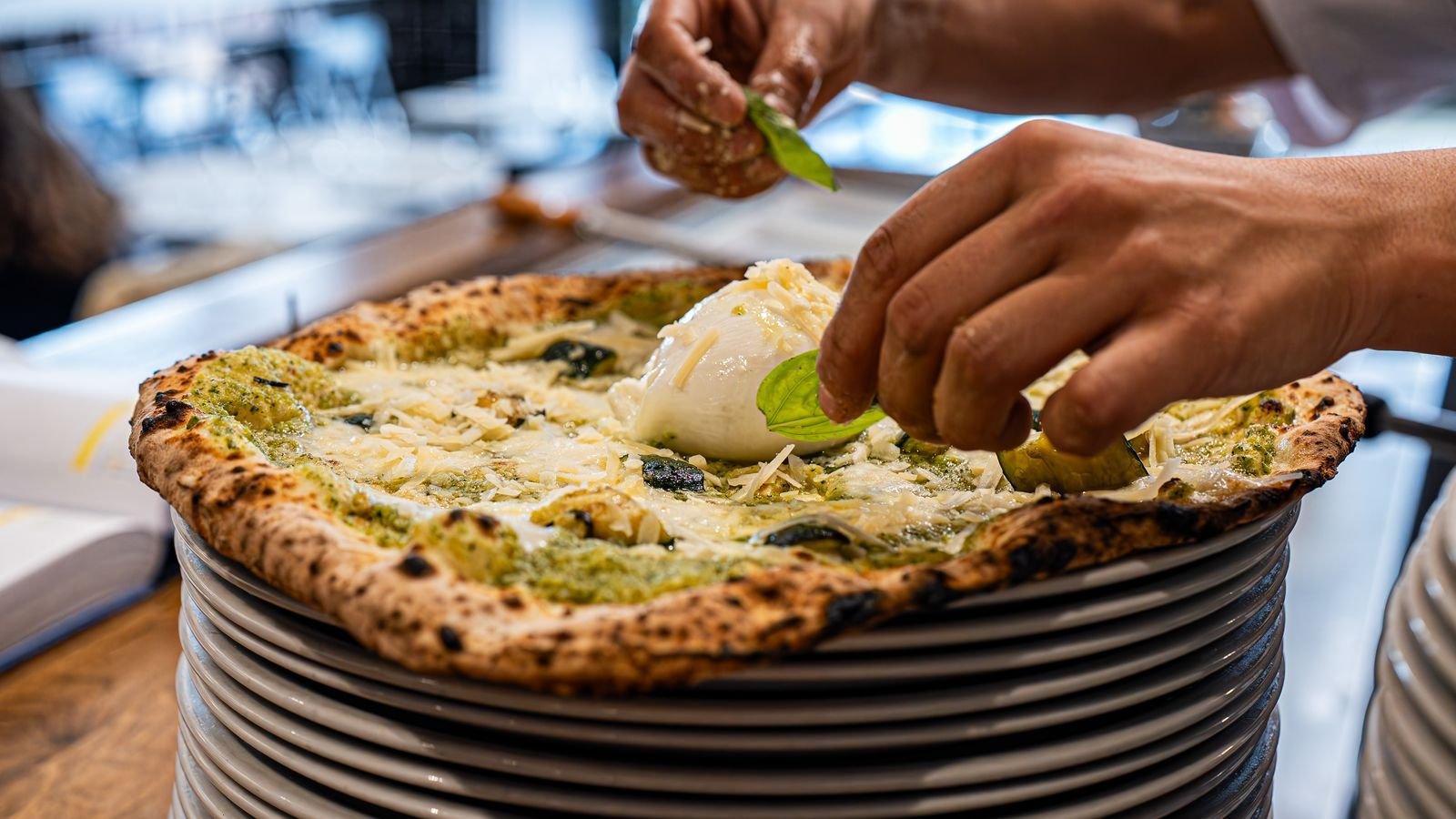
2. The hands that make it
Chopping, assembling, finishing. Ten seconds of process explain why that dish costs what it costs better than any text, and without banging on about it.
3. Front of house during service
With its noise, its laughter and its glasses. A full dining room isn't described, it's shown: it's proof that other people already like it.
4. The cook, telling it themselves
Twenty seconds of the person who makes the dish explaining one single thing. No agency script, which you can spot from the moon.
5. What's changing
The new dish, the season, the wine that's just arrived. It's the only honest excuse for saying 'come this week'.
How to film it so it doesn't look like an advert
We film during real service, in the restaurant, with no stock footage and no studio. The rules fit on a napkin:
- Vertical, and at a customer's eye level.
- With the restaurant's own light, which is what anyone who comes will find.
- With the real sound: the griddle, the dining room, the cook's voice.
- No logo at the start. The restaurant's name is already on the profile, relax.
- Short: if it makes sense in fifteen seconds, you don't need thirty. You almost never need thirty.
How often to post
At a steady rhythm throughout the month: neither five posts in one enthusiastic week nor three weeks of radio silence. The calendar is drawn up before starting and follows the restaurant: the menu, the season, the events and the days you want to fill. What to post each week, with the six formats and the profile that converts, is in Instagram for restaurants. And where what gets posted each week comes from, with a restaurant's four sources, in content strategy in gastronomy.
What to look at afterwards, and what not to
Followers don't eat dinner. What matters is something else:
- Saves and shares: someone has sent it to the person they're going with. That's half a booking.
- Messages asking about bookings, opening hours or whether there's a terrace.
- Which piece coincides with more bookings, cross-checking the posting dates against the service calendar.
That cross-check is the report we deliver every month: reach and engagement, yes, but alongside what's come through the door.
And the paradox we see every month: the reel that brings bookings is hardly ever the most expensive one. It's usually the daftest: the cook taking the bread out, the dining room full at half past two, the dessert that doesn't fit on the plate. The one filmed to look like an advert gets watched, gets recognised as an advert and gets skipped. That's why we don't measure which one turned out prettiest, but which one coincided with a better week. And if you want to see how much of the job is Instagram and how much is everything else, it is in our guide to restaurant marketing.
Frequently asked questions
Before handing your social media over to someone
Instagram or TikTok?
Wherever your customer is. We work on both, and the same vertical video works for both, so there's no need to choose on day one.
Do I have to appear in the videos?
You don't have to. But a restaurant gains a lot when you can see who's cooking, so if someone on the team is up for it, all the better.
Can I keep posting myself?
Yes. We don't replace your voice: we keep it, and we take care of planning, filming, editing, posting and replying so it doesn't depend on someone finding a spare moment between services.
How long do I have to sign up for?
Six months, free to leave at the third if it isn't working.