
In short: Instagram for restaurants isn't about getting followers: it's about someone who's already thinking of going out for dinner seeing what your place is like and making up their mind. What works in 2026 is what actually happens in the dining room, filmed during a real service: the dish leaving the pass, the hands that make it, the full room, the team, what customers say and what's changing this week. At one restaurant we manage, out of 40 Reels over six months, the ones that did best, including when we ran them as adverts, were the ones that showed the place, not the dish montages, and they lasted between 12 and 22 seconds; the ones over a minute weren't watched to the end by even 10% of viewers. Here's what to post, what not to, a realistic weekly calendar and how to link the profile to the booking.
A restaurant's Instagram usually lands on whoever has the least time and the most goodwill: the nephew, the owner's partner, the waiter who “knows about this stuff”. And it usually ends up as a feed of identical dish photos, a dinner-for-two giveaway that pulls in people from the other end of the country and a “follow us for more” that nobody follows. It's not the fault of whoever's running it: it's that nobody has told them what the person on the other end wants to see, and that person is neither the chef nor the agency. It's someone hungry, looking at their phone.
What someone looking for somewhere to eat expects to see (the customer, not the chef)
Nobody opens Instagram to look at restaurant adverts. But plenty of people, before booking, open your profile to see “what it's like”: whether the room is for a quiet dinner or a celebration, what people actually eat there, whether there's a terrace, whether it's full on a Thursday. The Instagram for restaurants that works answers all that in ten seconds of scrolling. It's the last look before booking, not the first; that's why in our guide to restaurant marketing it comes after the Google listing and the adverts, not before.
That changes what you should post. Not what you like, nor what looks pretty on the grid: what settles the doubt of someone who's already half decided to come. A dish that makes you hungry, a room that looks alive, a team with faces, opening hours that make sense.
Before posting anything: a profile that makes sense in five seconds
What someone sees when they open your profile decides more than your last twenty posts. Four things, and none of them takes more than an afternoon:
- The name, with what you are and where. The “name” field (not the username) is what gets searched inside Instagram: “Restaurant name · Rice dishes in Poblenou” gets found; the name on its own doesn't.
- The bio in three lines: what people eat, where you are and when you're open, and how to book. No mug quotes.
- The booking button opening the same engine as the website and the Google listing, and a link to the menu as text, not as a PDF.
- Three pinned posts answering the three questions everyone always asks: the room, the most-ordered dish and how to book.
The six formats that work for a restaurant
With the restaurants we manage we use six types of post, and they rotate. None of them needs more than a phone and someone from the restaurant during service.
| Format | What it shows | What it's for | How |
|---|---|---|---|
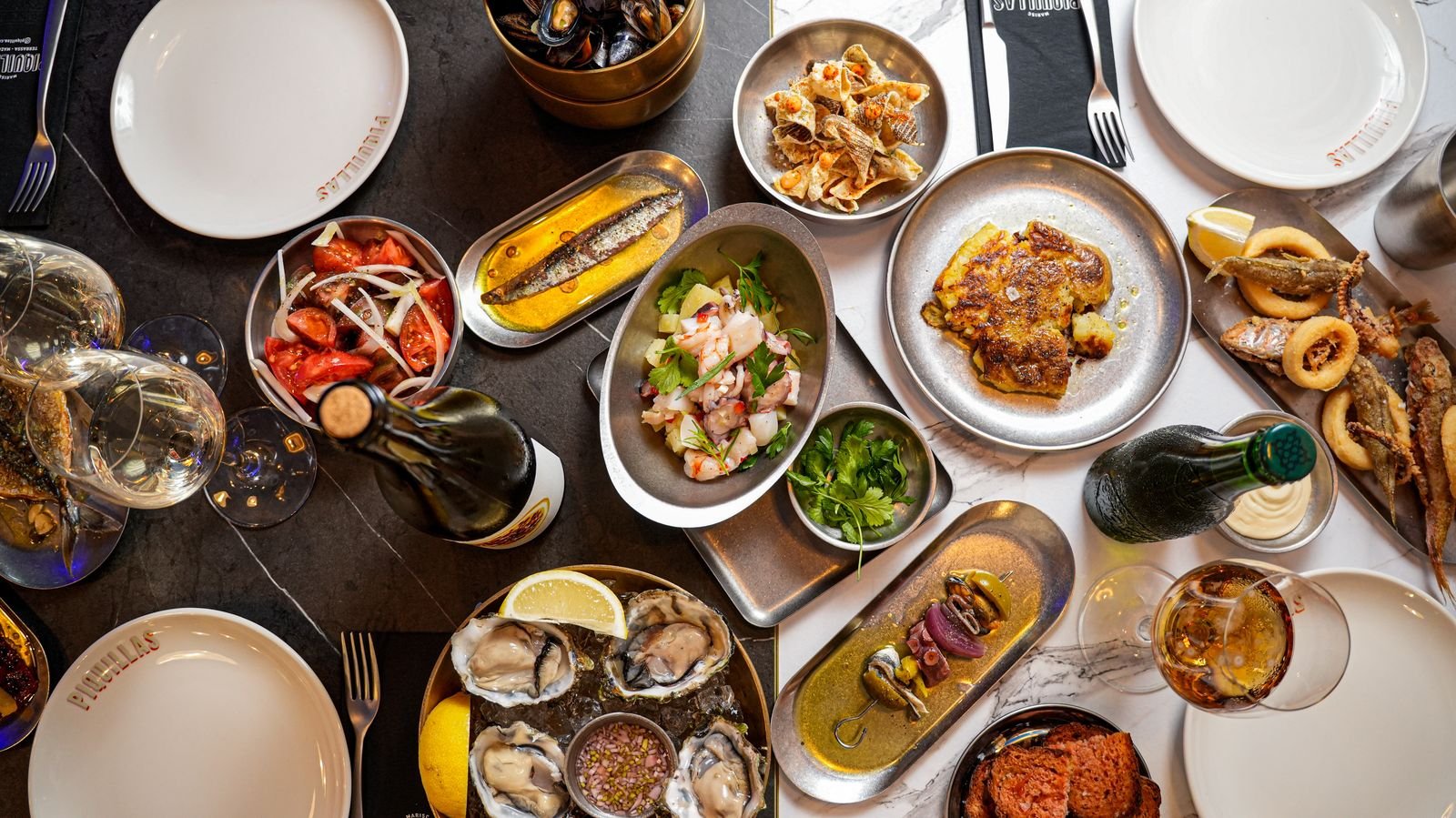
| The dish | One specific dish leaving the pass, with its name | To make people hungry and tell them what to order | A 10-15 second Reel or a photo; no montage of eight dishes in a row |
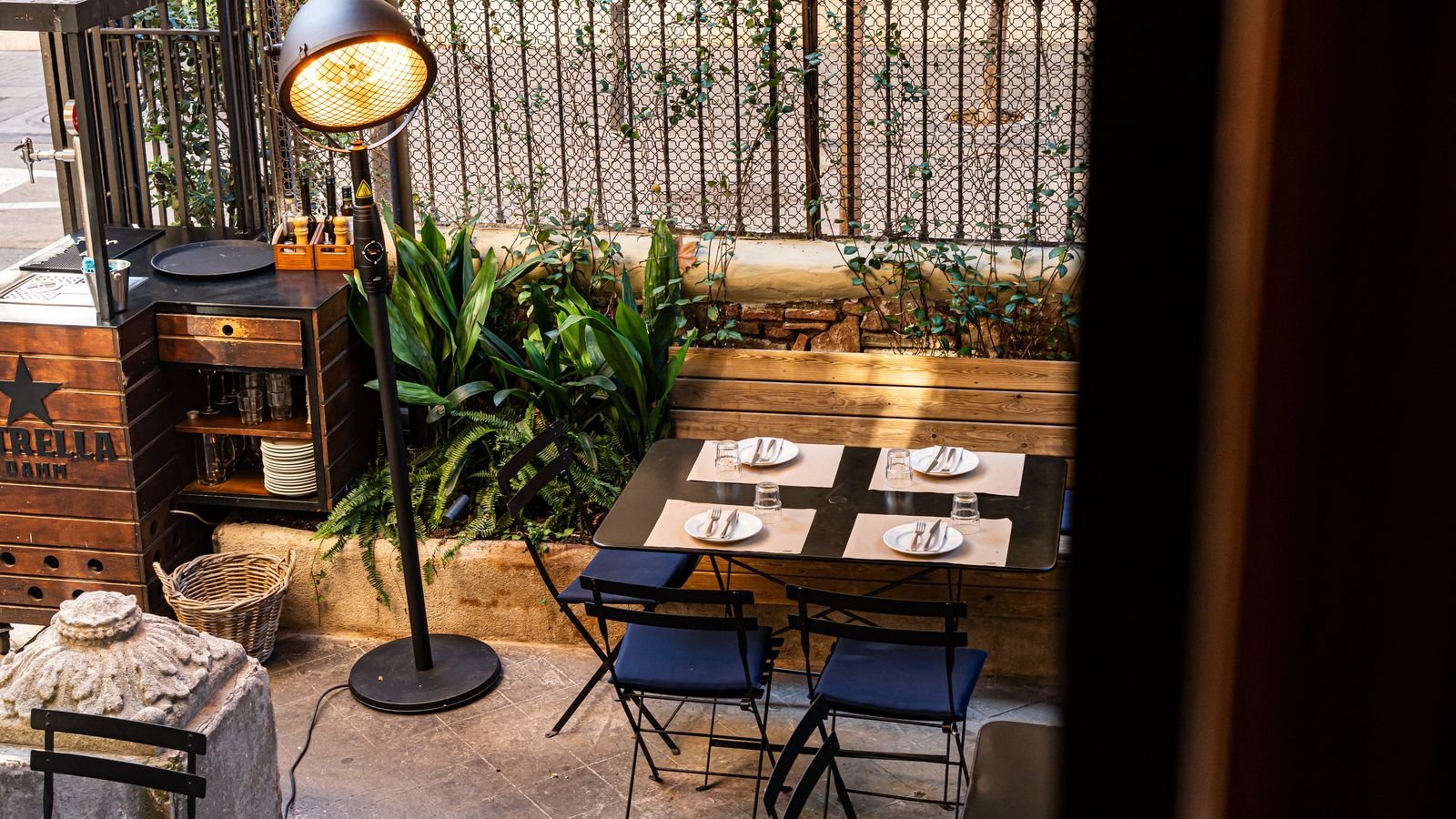
| The room | Full, mid-service, with people not looking at the camera | Deciding between two options; it's the proof the place works | A 12-22 second Reel with ambient sound; it's the one that works best |
| The team | Whoever cooks and whoever serves, doing their job | Trust; people book where there are people | A photo carousel or an unscripted 20-second Reel |
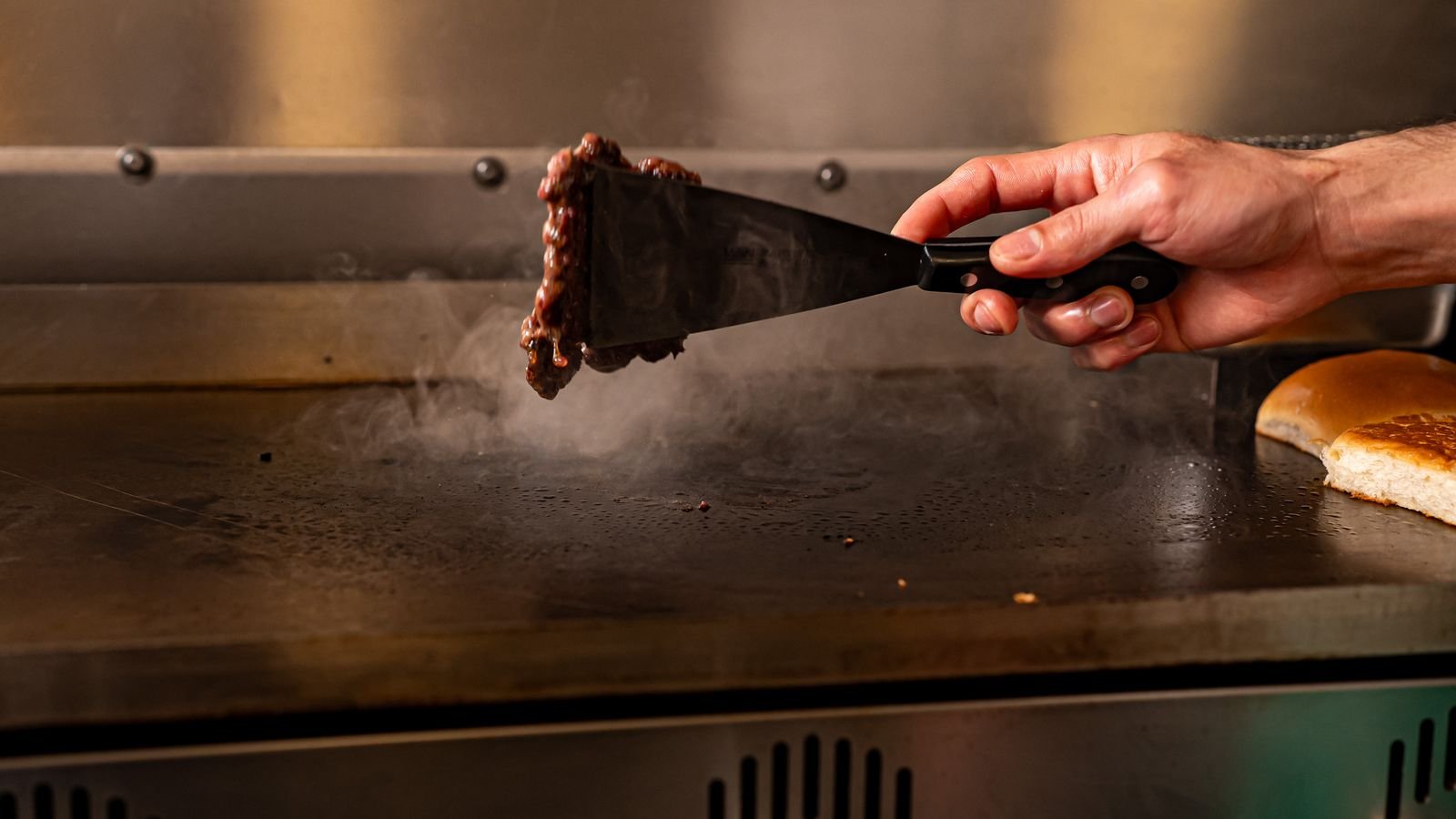
| The process | The hands: kneading, plating, opening an oyster | Explains the craft better than the finished dish | A short, close-up Reel, no stock music |
| What people say | A real review, with the restaurant's reply | Social proof that Google adverts won't let you write | A Story or a simple post, legible text, no made-up stars |
| What's changing | New menu, seasonal dish, holiday opening hours, an event | Giving people a reason to come this week, not “some day” | A Story with a date, and a post if it lasts more than a week |
The durations and the best-performing format come from analysing the 40 Reels over six months at one restaurant we manage: reach, retention and saves for each one, cross-checked against the performance of those that were run as adverts. They're one restaurant's own figures, not an industry average.
How to film it so it doesn't look like an advert, in its five pieces, is explained in social media for restaurants. Here, just one reminder the data keeps giving us: the video that sells the place beats the video that sells the dish. A dish montage could be from any restaurant; a full dining room on a Thursday at half past two can only be yours.
Minimum weekly calendar: two posts and Stories almost every day
Consistency weighs more than quantity, and consistency gets lost in August, at Christmas and the week a cook is off. That's why the calendar has to be small, and has to be kept to:
- Two feed posts a week: one Reel and one photo carousel, rotating through the six formats. If you can only manage one, make it one and make sure it isn't an advert: you're already ahead of half the street.
- One Story almost every service day: the dish of the day, the table that's just gone out, the sign on the door. No editing required.
- Carousels of ten photos at most, and better with six or seven. Instagram allows twenty, but nobody gets past the eighth and scheduling tools choke beyond ten.
- One filming session a month, during a real service, which produces the month's posts. The rest of the time, the phone.
What you post gets decided before the week starts, with the menu and the service calendar in front of you, not on a Tuesday at eleven at night with your phone in bed. If you'd rather someone did it for you (calendar, filming, posting and replies), that's social media management for restaurants.
Your own photos versus stock images: the difference in bookings
A stock photo on a restaurant's Instagram: you can spot it from the moon. The salad that isn't yours, the couple smiling a bit too much, the studio lighting. And it has a cost that never shows up on an invoice: the person who books because of that photo turns up, the place looks nothing like it, and they say so in a review. Your own photos, taken during a real service, in whatever light there is, show what people are going to find; and when what they find is what they saw, they come back.
You don't need a production. You need someone from the restaurant with a phone during service and, once a month, a proper session that also feeds the Google listing, the website and the adverts: food photography done once and used everywhere. The difference in bookings doesn't come from the camera: it comes from the room in the photo being the real room.
What not to post: memes, quotes, giveaway after giveaway
What costs you bookings, in order of how often we see it:
- Giveaway after giveaway. A dinner-for-two giveaway brings in followers who want to eat for free, many of them from out of town, and teaches your regulars to wait for the next one. Once a year, with a reason; never once a month.
- Quotes and memes. “Good food is an art” on a beige background has never filled a table in the history of Instagram.
- Discounts. “20% off midweek” fills the room once and devalues the rest. The dish that's only available on Tuesdays fills Tuesdays.
- The whole menu, dish by dish, day after day. That's a catalogue, and nobody follows catalogues.
- Made-up scores and stars, or blocks of hashtags. Reviews: real ones, with a reply; hashtags: three or four for the neighbourhood and the dish, not thirty.
And in comments and messages, the same as in the dining room: reply to everyone, no filler emojis, with the facts when there's a complaint (what happened, not a free dinner) and firmly when the criticism is unfair. Whoever messages at eleven at night asking whether there's a gluten-free option is a booking, if someone replies before tomorrow.
How to link Instagram to your Google listing and the booking
Instagram doesn't take bookings: it sends people to book. The job is to make that path short and have it lead to the same place as everything else:
- The booking button on the profile opens the same engine as the website and the Google listing, with a direct link and no page in between.
- The Google listing says the same as the profile: identical name, address, opening hours including bank holidays, and phone number. If the hours change, they change in all three places the same day.
- The good photos go on the listing, not just the feed. Across our accounts, 87% of the actions that come out of an advert are directions requests, and they end up on the listing, not on Instagram.
- What's changing gets posted in both places: the new menu, the holiday hours, the seasonal dish. On Instagram as a Story; on the listing as a post, which Google reads.
- Facebook still exists for the people who book through it and for company celebrations: the same thing gets posted from the same tool, no extra work, and replies are handled the same way.
If you also want to pay to reach people who don't know you yet, the advert that works on Instagram is the same content (the room, the dish, the hands), targeted within two kilometres of the restaurant: there are examples in adverts for restaurants: 12 examples that work. What to say once you've already shown the whole menu is in content strategy in gastronomy.
FAQ
Before you open the app
How many times a week should a restaurant post on Instagram?
Two feed posts (one Reel and one carousel) and a Story almost every service day is a rhythm you can keep up all year. A single post a week, consistent and not an advert, is already more than most manage.
Does Instagram fill a Tuesday?
Rarely on its own. Instagram decides bookings between two options and fills groups and celebrations; Tuesday gets filled by the Google advert scheduled for that day and by the message to whoever has already been. Instagram is the last look, not the first.
Do hashtags still work in 2026?
A little, and never in a block. Three or four for the neighbourhood and the dish are enough; what really gets you found inside Instagram is the profile's “name” field with what you are and where you are.
Do we need to keep up Facebook?
Yes, with no extra effort: the same thing gets posted from the same tool. There are customers who book and ask questions there, especially for celebrations and company lunches, and Meta adverts run in both places.