
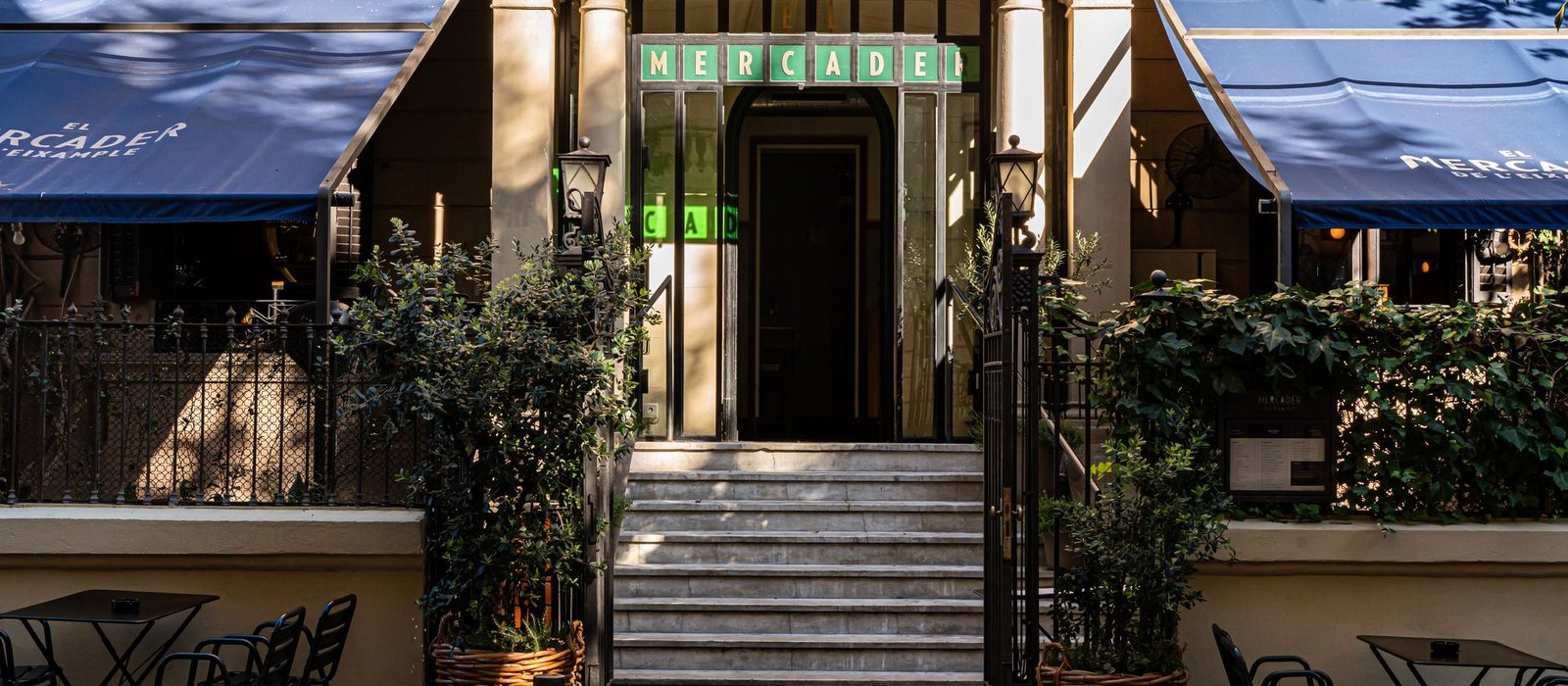
In short: SEO for restaurants is about showing up on the Google map when someone searches ‘restaurant near me’, and almost everything is decided in the Google Business Profile, not on the website. Google looks at relevance (whether the profile matches the search), distance and prominence (how well known the restaurant is, reviews included). Distance can’t be changed; the other two can: a specific category, opening hours kept up to date including holidays, the menu with prices inside the profile, your own recent photos, a booking button that works, one post a week and every review answered. The website helps with searches like ‘best paella in Barcelona’: a title with cuisine and neighbourhood, the menu as text, the same contact details everywhere and fast loading on mobile. Of every hundred people who do something after finding a restaurant on Google, 87 ask for directions: address, hours and a photo of the entrance matter more than the ‘about us’.
Someone is out on the street, hungry, and types ‘restaurant near me’. Google shows them a map with three places. If yours isn't one of the three, as far as that person is concerned you don't exist, however good your rice is. SEO for restaurants is about exactly that: showing up on that map. And almost all of it is decided somewhere that isn't your website but your Google Business Profile, the one somebody set up one day and nobody has looked at since. The complete checklist for that profile is in Google Business Profile for restaurants.
How Google decides which restaurants to show
There's no need to guess: Google itself explains it in its tips for improving your local ranking. It looks at three things:
- Relevance: how closely your profile matches what the person is searching for.
- Distance: how close you are to the person searching.
- Prominence: how well known your restaurant is, online and off. This is where reviews come in.
Distance you can't change, short of moving the restaurant (we don't recommend it). The other two, you can.
The Google Business Profile, point by point
1. The category
Plain ‘Restaurant’ is a waste of it. ‘Italian restaurant’, ‘paella restaurant’ or ‘tapas bar’ tell Google which searches you need to show up in.
2. Opening hours, bank holidays included
It's the detail most people check and the one that's most often wrong. A customer who turns up and finds the shutters down doesn't come back, and tells the story in a review with a lot of exclamation marks too.
3. The menu and the prices
Inside the profile, not just as a link. Anyone searching for ‘paella’ has to find the word ‘paella’.
4. Your own recent photos
If you don't upload your own, the only ones on show are the customers': with flash, half eaten and with a crumpled napkin in the foreground. Photos of the restaurant are the first thing people look at after the rating.
5. The booking button
Make sure it's there and that it works. Sounds obvious; check it from your phone, because there are surprises.
6. Posts every week
The new dish, the set menu, Thursday's event. They tell Google, and whoever's looking, that there's life in there.
7. Reviews, replied to
All of them, the bad ones too. Google lists it among its tips, and anyone torn between two places reads what you replied.
| Element | What to do | The most common mistake |
|---|---|---|
| Category | ‘Italian restaurant’, ‘rice restaurant’, ‘tapas bar’ | Just ‘restaurant’ |
| Opening hours | Up to date, including public holidays | Summer hours still showing in November |
| Menu and prices | Inside the profile, as text | Just a link, or a PDF |
| Photos | Your own, recent, including the entrance | Customers’ photos, with flash and half-eaten |
| Booking button | It exists and works from a phone | Broken link, or a website that doesn’t take bookings |
| Posts | One a week: dish, menu, event | A profile silent since it was created |
| Reviews | All answered, including the bad ones | Forty unanswered |
| Contact details | Identical name, address and phone on the website and the profile | One phone number on the website and another on the profile; two profiles for the same place |
The website counts too
Less than the profile, but it counts, especially for searches like ‘best rice in Barcelona’, which aren't settled by the map alone:
- The page title with what you are and where you are: type of cuisine and neighbourhood.
- The menu as text, not as a photo or a PDF. Google doesn't read either of them well, and neither do your customers on their phones.
- Identical name, address and phone number on the website, on the profile and anywhere else you appear. Google asks that the business be shown exactly as it is in the real world.
- That it loads fast on mobile, which is where people search for somewhere to eat.
What people do when they find you
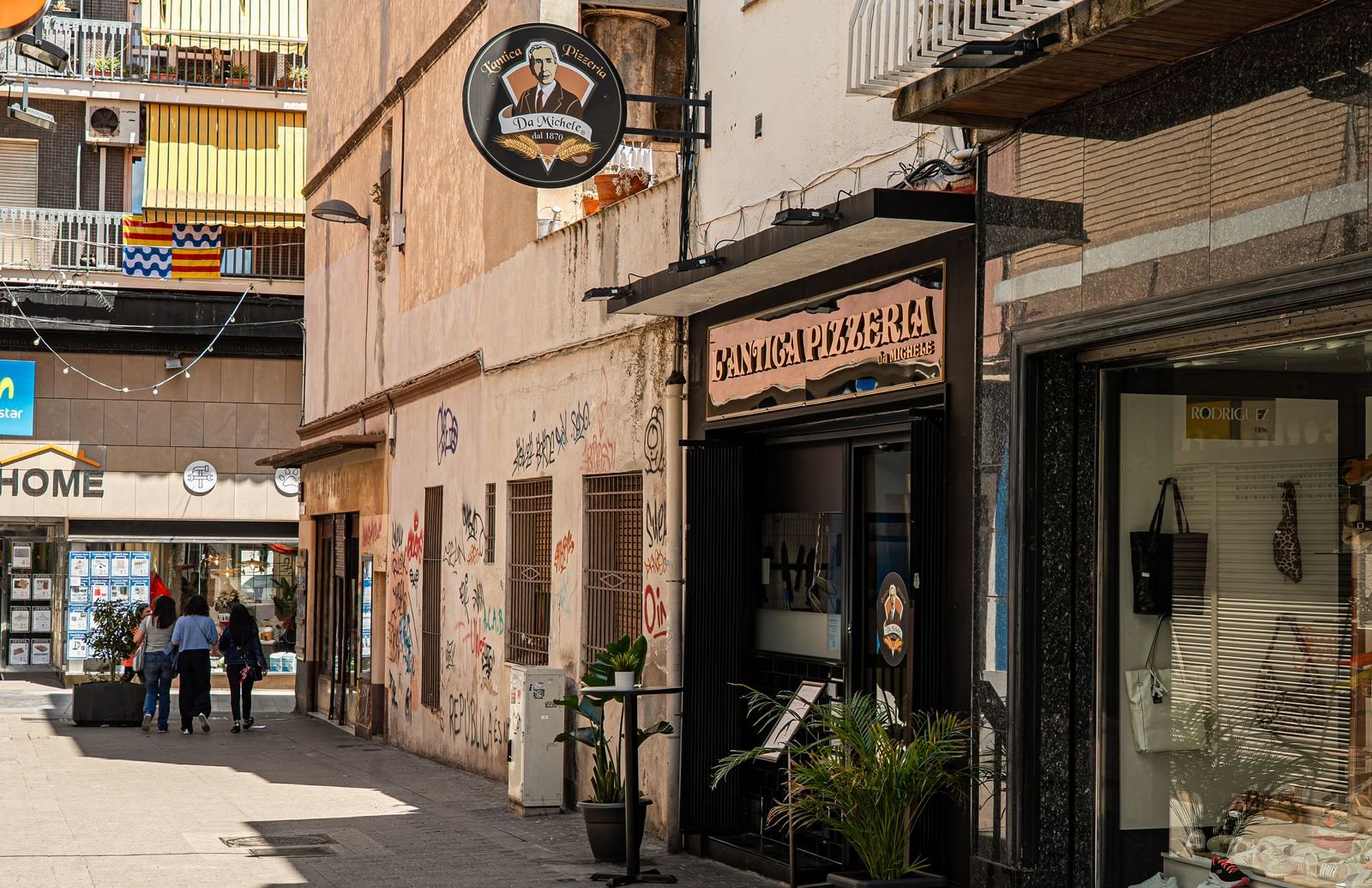
We looked at it in the campaigns of 40 restaurants we manage, in the summer of 2026. Of every hundred people who do something after finding the restaurant on Google, 87 ask for directions, 6 tap to call, 4 tap to book and 3 book on the website. They're ad figures, but they tell the same story as the profile: whoever finds you on the map mostly wants to know how to get there. The address, the opening hours and the photo of the entrance matter rather more than the ‘about us’ text, with all due respect.
Sample: Google Ads campaigns of 40 restaurants managed by BL Gastro, summer 2026. ‘Action’ = asking for directions, calling or tapping book after seeing the ad. These are our own figures, not an industry average.
Local SEO or Google ads
They're not the same thing and they don't compete. Showing up on the map for free depends on your profile and your reviews: you don't pay per click, but you don't decide when you appear either. With Google Ads you pay per click and, in return, you decide which days, at what times and in which area you appear at the top. The first is the floor; the second, the push for the slow days. Both, and the other three channels that move tables, are laid out in our guide to restaurant marketing.
The mistakes that come up most
- Summer opening hours, still up in November.
- Two profiles for the same restaurant, one of them forgotten in some drawer of the internet.
- The generic category.
- Photos from five years ago, from when there was a different menu and a different floor.
- The menu as a PDF.
- One phone number on the website and another on the profile.
- Forty reviews without a reply.
A case: booking without leaving Google
We compared September 2026 with September 2025 on the Google Business Profile of Més de Vi, a restaurant in Poblenou we work with. Requests for directions fell by 10% (from 1,764 to 1,594), calls by 29% (from 100 to 71) and clicks through to the website by 17% (from 434 to 361). A disaster? Not quite: bookings made directly on Google rose by 23%, from 73 to 90.
People aren't booking less: they're booking wherever takes the least effort, which is without leaving the map and without talking to anyone. That's why point 5 on the list isn't a minor detail. One caveat: these are figures for the whole profile, with what comes in for free and what comes in through ads all lumped together.
Frequently asked questions
Before touching your Google Business Profile
How much does SEO for a restaurant cost?
With us, from €295 + VAT a month. The exact quote is settled on the first call, with no obligation.
Do I need a website to show up on Google Maps?
No. To show up on the map, the Google Business Profile is enough. The website helps with searches that aren't settled by the map alone.
What's the difference between local SEO and Google Ads?
Local SEO is appearing without paying per click, thanks to your profile and your reviews. Google Ads is paying to appear at the top, with you in charge of the budget, the times and the area.
Is there any point asking for reviews?
Yes, as long as you don't offer anything in return: Google's rules forbid it.