
In short: Photographing a food festival is not about taking pretty pictures of food: it is about telling the story while it happens and for when only the crumbs are left. At Terra i Gust 2026, Barcelona’s sustainable food festival (25–27 September, Parc de la Ciutadella, run by the City Council with Gastronomia de Proximitat and Slow Food Barcelona), we did the photography, video and communication over three days with a team of three. We arrived with six non-negotiable types of image: the dish at the stall, the hands that cook, the crowd, the programme moments, the place and the drinks being served, and we organised each day by light: produce in the afternoon, portraits at golden hour, show cookings at night. There was a teaser video to announce the festival, material delivered every day for social media and, two or three days after closing, 100 to 200 edited photographs and the highlights video, sorted by day and participant.
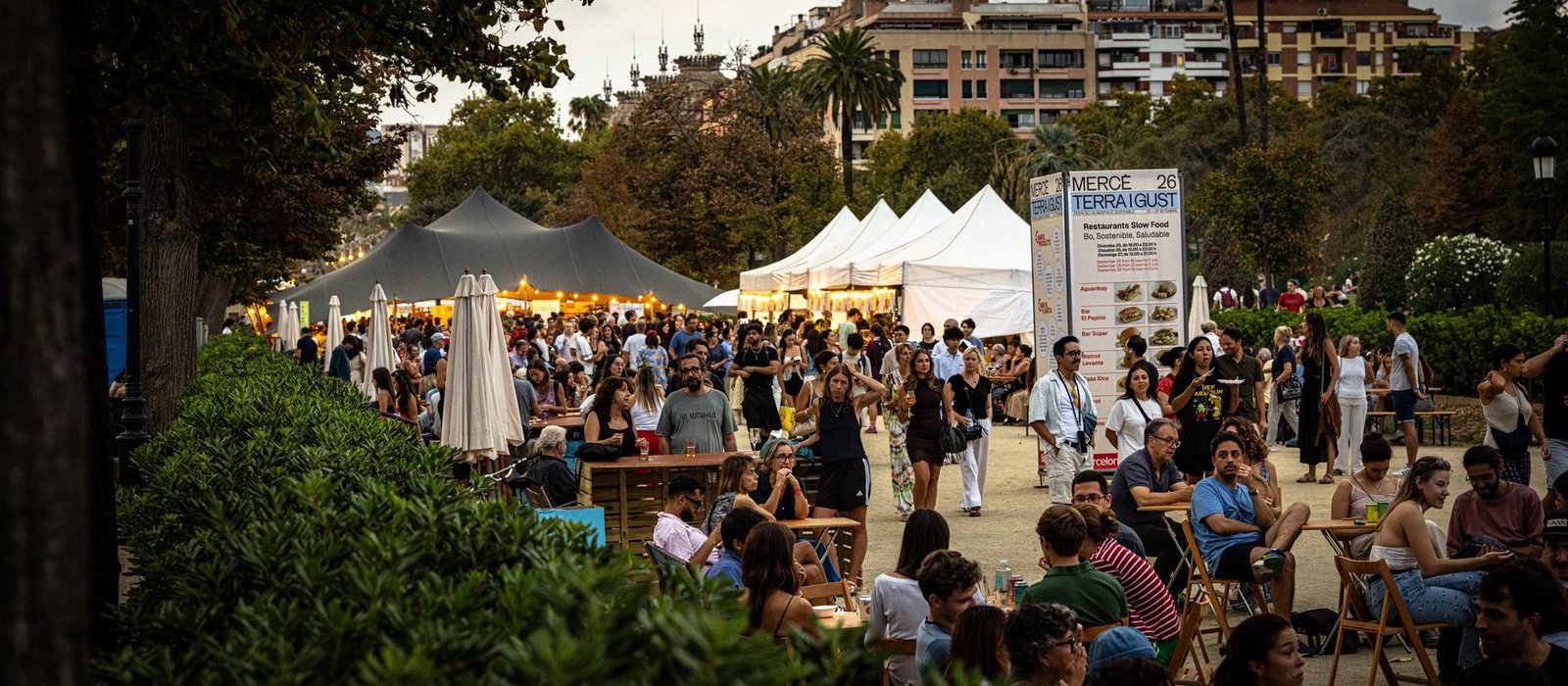
Food event photography has a catch: it isn't about taking pretty pictures of food (although that too), it's about telling the story of a fair or a festival while it's happening, and for when only the crumbs are left. What gets cooked, who cooks it, who turns up to taste it and where it all happens. At Terra i Gust 2026, a food festival in Barcelona, that was our job for three days, 25 to 27 September, in the Parc de la Ciutadella. Here's what we photographed, in what order and, above all, why.
What Terra i Gust is
In case you've never been: Terra i Gust is Barcelona's celebration of sustainable food, a food festival organised by Barcelona City Council together with Gastronomia de Proximitat and Slow Food Barcelona. It's set up as part of the La Mercè festivities and for three days brings together restaurants that cook with organic, seasonal produce, producers and wineries from just down the road, showcookings, talks and live music. In other words, there's a lot more to do than eat (although eating does happen).
Behind the stalls in 2026 were, among others, Fat Veggies, La Xica, Forno Bomba, Bar Super, Gastro Garatxe, Provisions Gresca, Gresca and Bar Torpedo, La Sosenga, Teòric Taverna Gastronòmica, Magma Bakery Lab, Celler Nessu, Rabassaires, L'Olivera and DelaCrem. Not a bad line-up.
Our part was the photography, video and communication of the festival. Three things that sound like the same job and aren't.
What to photograph at a food festival
Spoiler: you can't tell the story of a festival with forty photos of dishes. Restaurant food photography is done calmly, nudging the plate an inch and waiting for the light; at an open-air food market nobody waits for you and everything happens exactly once. So we turn up with a written list of six types of image, and nobody leaves until we have all six.
1. The dish at the stall
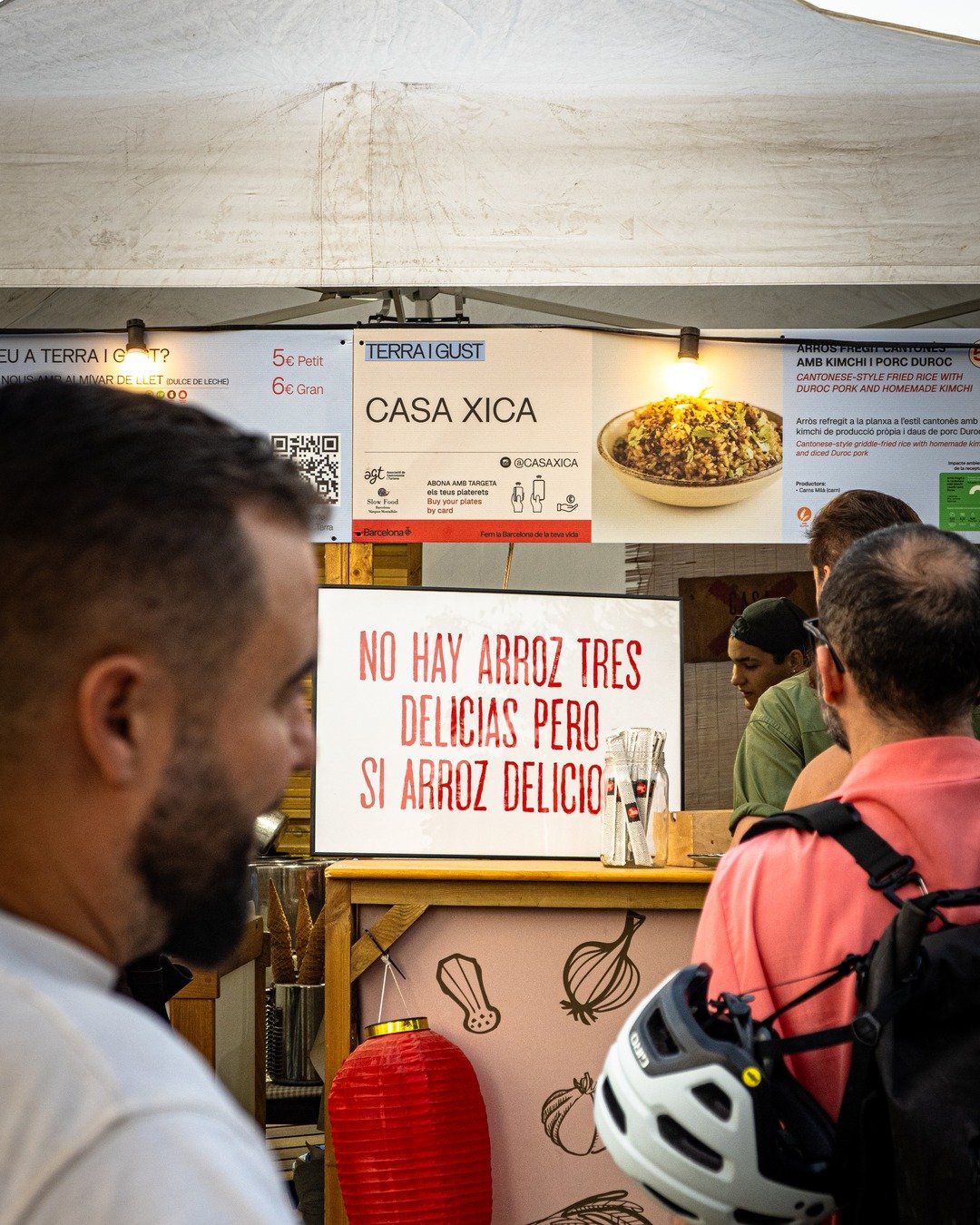
What's being served, exactly as it comes over the counter, no make-up: the gazpacho with pico de gallo, the individual crema catalana, the pear and almond cake. It may not be the most original shot, but it's the photo every participant will want to use.
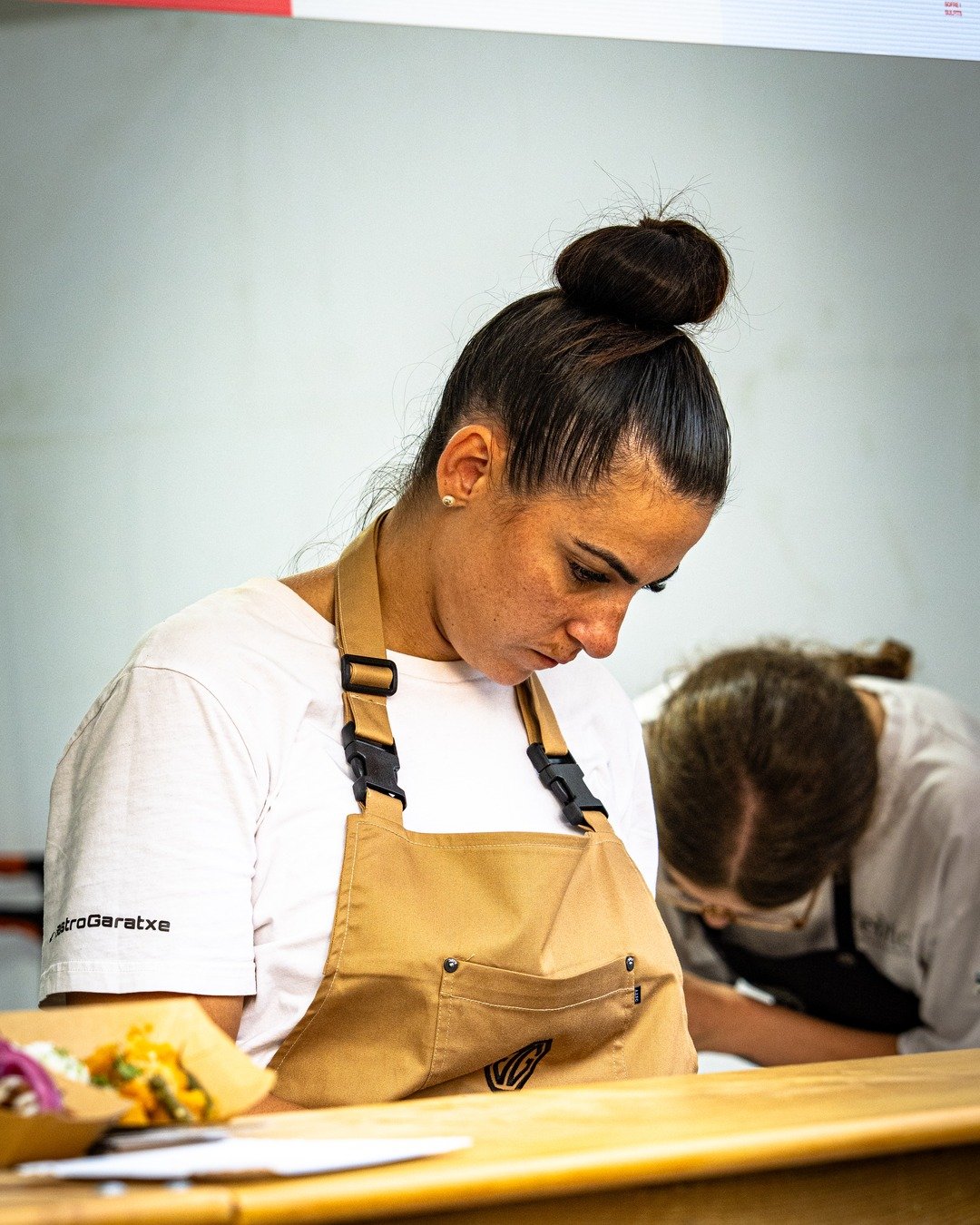
2. The hands that cook
The process, up close. It explains the craft better than the finished dish, and you don't have to ask anyone to smile.
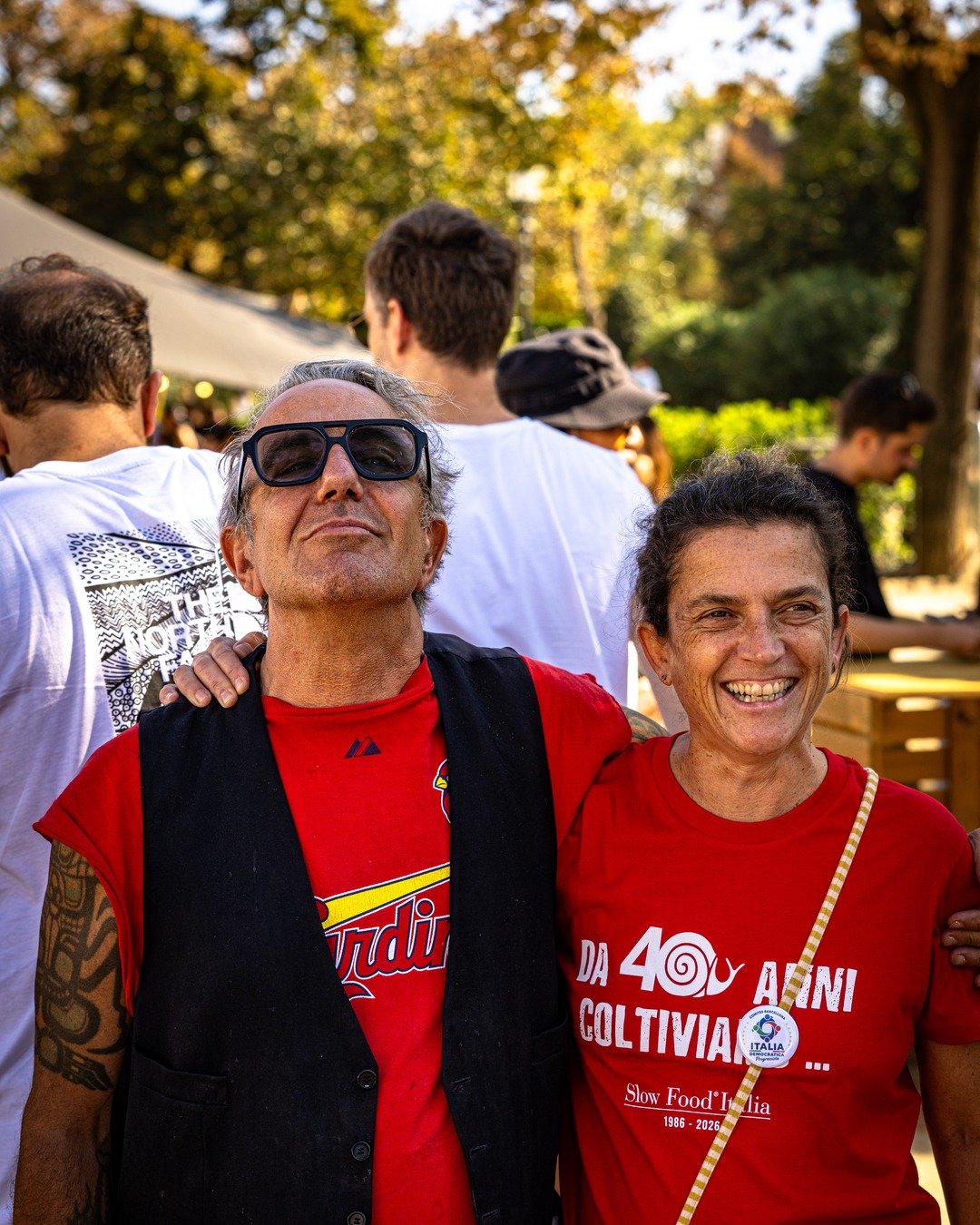
3. The crowd
People tasting, toasting, queuing. Unposed: nobody looks their best with their mouth full, but everybody looks real. It's what proves the event was full, and organisers care about that rather a lot.
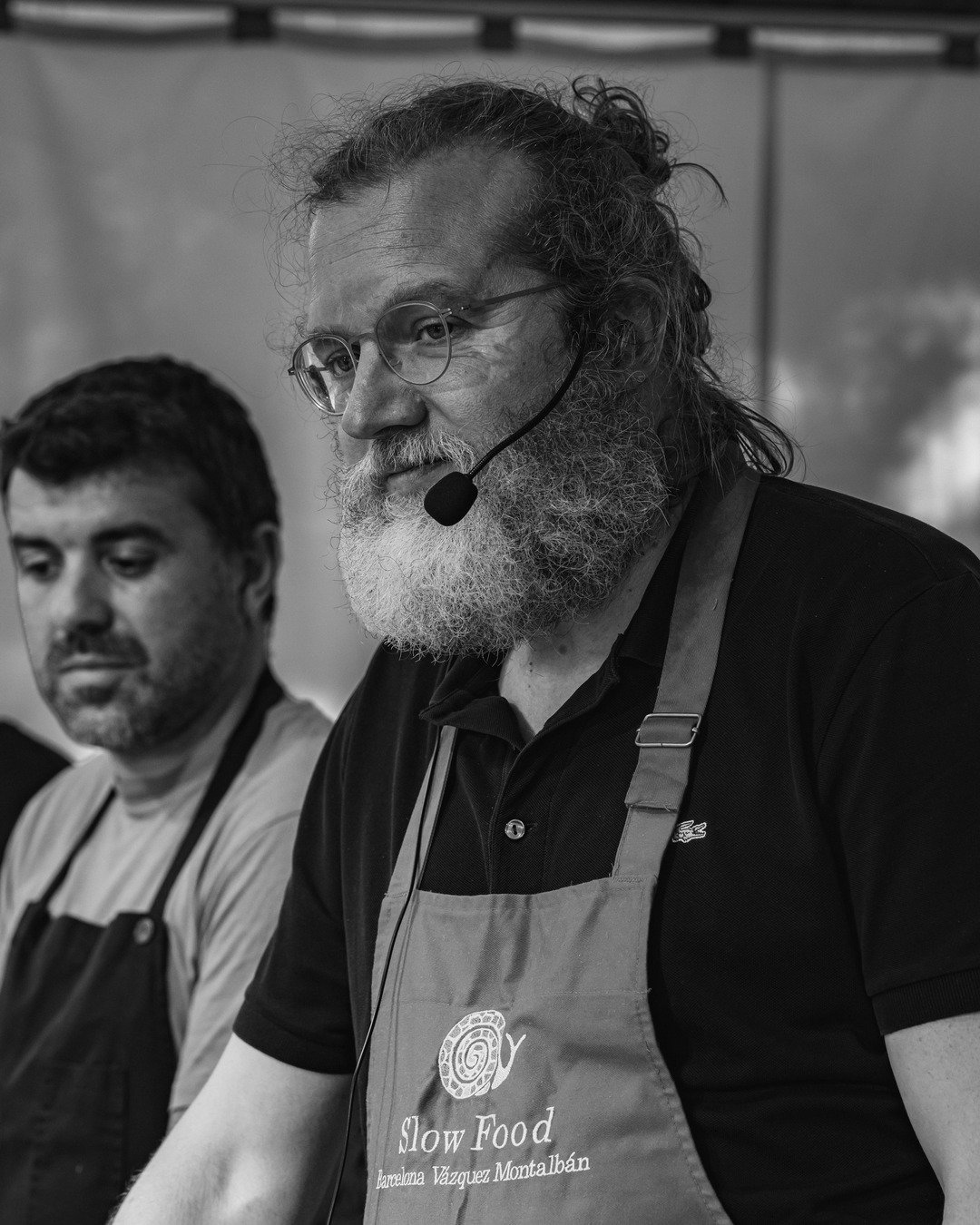
4. The programme moments
The showcooking, the talk, the performance. They happen once, at a set time, and they won't be repeated because you were late: they go first in the day's plan, ahead of any dish.
5. The place
The sign, the tents, the park. It looks like the dullest photo and it's the one that saves all the others: without it the photos could be from anywhere.
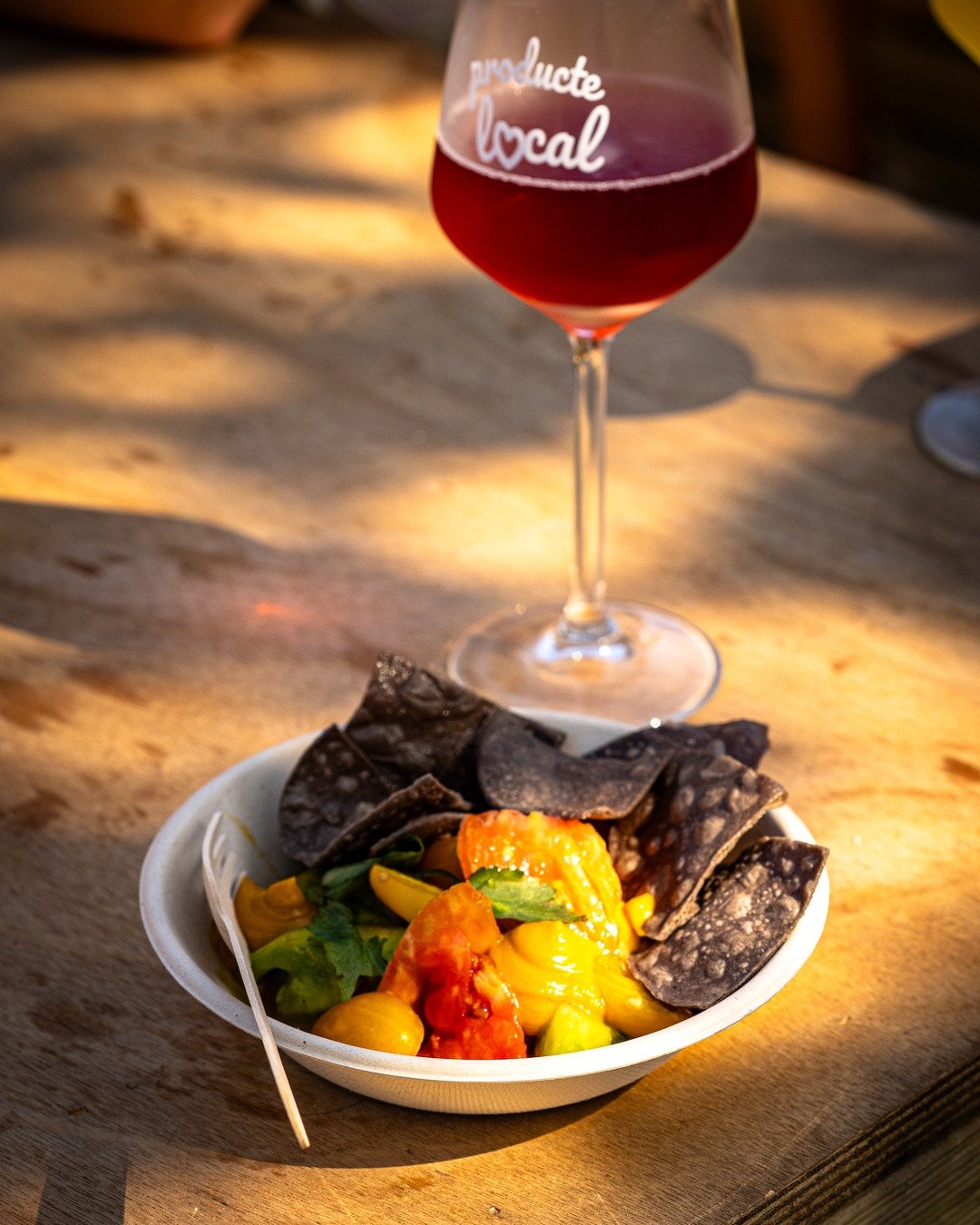
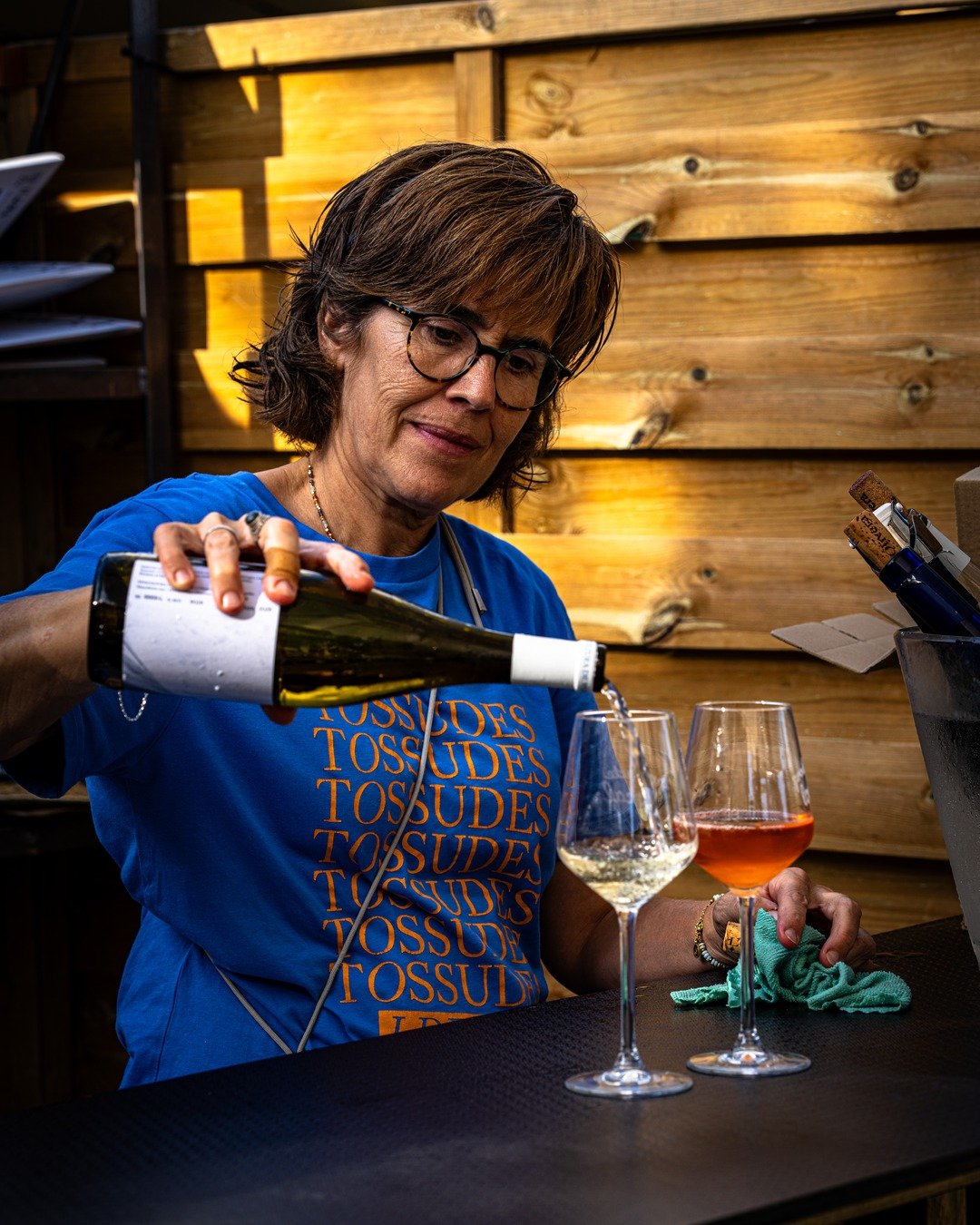
6. The drink being served
The glass of wine, the beer being poured, the kombucha. At an event with wineries and producers, forgetting what people are drinking means leaving out half the festival: it's half the content.
| Type of image | When (light) | Who it’s for |
|---|---|---|
| The dish at the stall | Afternoon, hard light: produce and stalls | Each participant, for their website and social media |
| The hands that cook | Afternoon, at the counter | Participants and organisers: it explains the craft |
| The crowd | Golden hour | Organisers and sponsors: proof it was full |
| Programme moments | At their time, first in the day’s plan | Organisers: the record and the next edition |
| The place | Any light | Everyone: it places all the other photos |
| The drinks being served | Afternoon and night | Wineries and producers: half the festival |
Three days, three kinds of light
The same park gives you three different shoots depending on the time, and it's worth knowing that before you take the camera out. In the afternoon there's hard light and tent shadows: time for the stalls and the produce. Then comes the golden hour, the last one before sunset, when everybody looks good: that's for portraits of the crowd and the toasts. And at night you're left with the showcookings and the atmosphere, lit by the stalls themselves and not much else.
Planning the day by light, not by the order of the stalls, is what stops you going home with two hundred identical photos. Which happens more often than anyone admits.
From the park to social media: photos and video of the event
At Terra i Gust 2026 we were a team of three for the three days. And the work started before the first stall opened: we made the teaser, a short video to announce the festival and introduce the restaurants and producers taking part.
Once the festival was under way, we delivered material the same day, every day, because an event's social media gets fed while the park is still full, not the following Tuesday. The final material reached the organisers two to three days after closing: between 100 and 200 edited photographs and the recap video.
It is, in fact, what we always do with the material from an event:
- A short selection for social media, with each participant tagged in their photo, so they can share it without having to ask for it.
- A video of the event, short and made for social media, not for a cinema.
- The full archive for the organisers, sorted by day and by participant, ready for the press and for the next edition.
And this is the Terra i Gust 2026 video, in case you want to see how it turned out:
Who each thing is for
- The organisers: a record of the event, material for sponsors and institutions, and photos to announce the next edition without resorting to stock images.
- The restaurants and producers taking part: images of their stall and their product that they wouldn't have had time to take that day even if they'd wanted to.
- Those who couldn't come: a faithful idea of what it was like (and a little envy, why deny it).
Frequently asked questions
Before commissioning coverage of an event
How far in advance should you book a photographer for a food event?
For a fair or festival lasting several days, two to three months ahead. The team has to be fitted around the programme and, if you want a video announcing the event, it has to be out before it starts, not the night before.
Can participants use the photos?
Yes. We deliver the photos to the event organisers, and it is the organisers who pass them on to the participating restaurants and producers.
Do you cover events outside Barcelona?
Yes. We work mainly in Barcelona and Catalonia, and we travel to the rest of Spain.
How much does it cost to cover an event?
It depends on how many days it lasts and what needs to be delivered: photographs, video and posting on social media during the event. With the dates, the place and that list we'll prepare a fixed quote.